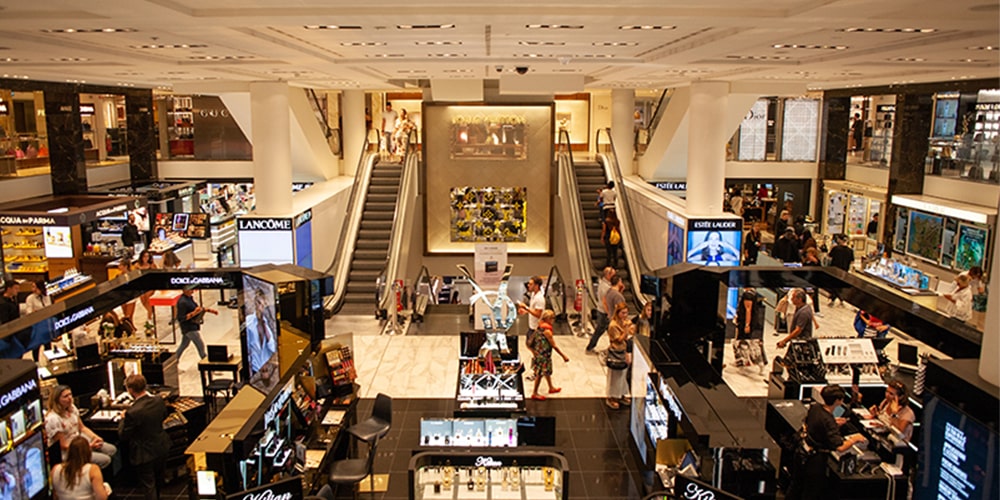
You know the look.
The packaging is beautiful — maybe even award-winning. Embossed, gilded, meticulously color-matched. It belongs in a high-end boutique or glowing on a perfectly curated Instagram feed.
But sales? Crickets.
Even loyal customers seem weirdly indifferent. Worse, new prospects browse, linger… and bounce.
What’s going on?
Here’s the uncomfortable truth: your packaging may be stunning — but it might be attracting the wrong audience or worse, repelling the right one.
People Judge Packaging Like They Judge People
Before we get deep, here’s a quick thought experiment:
You walk into a room of strangers. One person is impeccably dressed, but in a way that feels stiff. Maybe too slick. Their energy is curated — but you don’t trust it.
Another person’s style is understated. But something clicks. You feel seen. You think: I get them. They get me.
This is how packaging works, too.
Your ideal customer is out there — but if your design language doesn’t match their emotional code, they won’t just walk away… they’ll assume it wasn’t meant for them in the first place.
Packaging Doesn’t Just Attract — It Signals Belonging
In a saturated market, customers don’t just shop by function or price. They shop by identity alignment.
When your packaging feels “off,” it creates subtle friction:
- “This brand isn’t for people like me.”
- “It’s trying too hard.”
- “It looks like something I’d buy… but not actually ”
That disconnect leads to indecision, second-guessing, and shelf abandonment.
It’s not because your product isn’t good. It’s because your packaging sent the wrong message at the wrong moment.
The Most Common Ways Brands Accidentally Repel the Right Customers
Let’s break down a few real-world examples of packaging that backfires — and why.
1. Too Luxe for the Audience
A brand sells handmade, organic bath soaks. The ingredients are earthy, the founder’s story is raw and real.
But the packaging? All-black matte jars with metallic foil and sans serif type. It screams “department store luxury.” Not small-batch, not vulnerable, not “real.”
The result? Wellness-minded buyers don’t trust it. It feels “fake fancy.” They move on to something messier, but more honest.
Fix: Let the real soul of your product breathe. Subtle embossed texture labels. Handwritten accents. Natural materials. Match the energy of your story.
2. Too Gendered, Too Soon
A startup launches a premium home-cleaning line with bold black packaging with oil slick glossy Spot UV, angular fonts, and a monochrome palette. It feels tech-forward, sleek… and aggressively masculine.
Problem? Their primary audience is millennial moms looking for safe, non-toxic, family-friendly options.
The visual language made them feel unwelcome — like they weren’t supposed to touch it, let alone trust it with their kids.
Fix: If your product is for everyone, make sure your packaging doesn’t unconsciously exclude anyone. Balance boldness with warmth. Invite, don’t intimidate.
3. Trendy, But Inauthentic
We’ve all seen the millennial pastel revolution: blush tones, hand-drawn icons, cute sans serif fonts.
It works — until everyone’s doing it. If your brand story is bold, punk, or rebellious, slapping on a pink gradient because “everyone else is” just confuses people.
Fix: Trends aren’t bad — but only follow the ones that amplify your message, not dilute it. Choose personality over popularity.
Where Custom Labels and Finishes Come In
Your label is where precision matters most. A simple shift in finish or texture can bridge the gap between “almost right” and “exactly me.”
- Matte vs. Gloss: Matte feels warm, tactile, premium. Gloss feels clean, modern, sometimes mass-market.
- Typography hierarchy: A cluttered label with five fonts can feel chaotic. Use restraint — and hierarchy — to give your ideal customer clarity and calm.
- Custom die-cuts or layered label textures can communicate creativity, craftsmanship, or exclusivity — without saying a word.
A Word on Custom Tissue Paper (Yes, It Matters)
You’d be shocked how many customers decide how they feel about a brand after the outer packaging is opened.
Custom tissue paper is an intimacy layer. It whispers care, quality, attention.
- A playful brand might surprise with bold patterned tissue that feels like a party invite.
- A sustainable brand may use raw, recycled kraft paper with a hand-stamped logo.
A coffee brand might opt for rich browns that match their earthy custom coffee labels.
If your customer sees themselves in that reveal, they’re yours.
Questions Every Brand Should Ask (Before Their Packaging Backfires)
- What emotional tone does my ideal customer respond to? Calm? Bold? Whimsical? Honest? Sophisticated?
- What packaging styles do they already trust and buy — and how do mine compare?
- Am I expressing my brand’s actual personality, or mimicking someone else’s?
- Does every packaging element (label, box, tissue, insert) tell the same story?
- If someone didn’t know my brand yet — would this packaging feel like it “gets” them?
Final Thought: Attraction Is a Two-Way Street
Yes, you want to attract buyers.
But just as important — you want buyers to recognize themselves in your packaging.
You want them to feel seen. To feel safe. To feel like the product was made for them, not for some vague, generalized consumer.
So if sales are stalled… if reviews are good but growth is weirdly flat…
it might not be your product. It might be your packaging, quietly signaling the wrong thing to the right people.
Listen to what it’s saying. And rewrite the message.