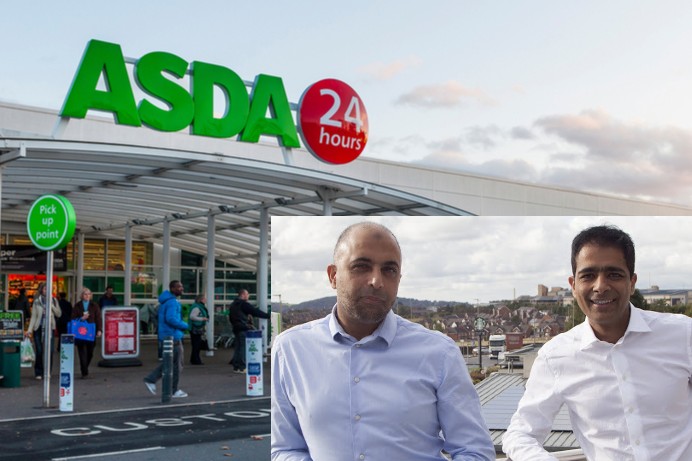
Introduction: A Major Shift in the Issa Brothers’ Business Empire
The billionaire Issa brothers, Mohsin and Zuber, made headlines with their acquisition of Asda, one of the UK’s largest supermarket chains. However, recent developments have led to a significant restructuring of their business empire. Zuber Issa has decided to sell his stake in Asda, marking a crucial turning point for the brothers’ business journey. This move raises several questions about the future of Asda, the Issa brothers’ entrepreneurial vision, and the broader implications for the retail sector in the UK.
The Rise of the Issa Brothers: From a Petrol Station to a Billion-Dollar Empire
Mohsin and Zuber Issa’s journey to success is a classic rags-to-riches story. Born to Indian immigrant parents in Blackburn, the brothers started their business career with a single petrol station. Their company, EG Group, rapidly expanded, acquiring thousands of petrol stations and convenience stores across Europe, the U.S., and Australia. Their business model, which combined fuel retail with convenience stores, proved highly successful, leading to multi-billion-dollar revenues.
The biggest milestone in their journey came in 2020 when, in partnership with the private equity firm TDR Capital, the Issa brothers acquired Asda from Walmart in a £6.8 billion deal. This acquisition positioned them among the UK’s top business moguls. Asda, a household name in British retail, was now under their control, and the brothers aimed to revamp the supermarket chain to compete with giants like Tesco and Sainsbury’s.
Zuber Issa’s Exit: Why Is He Selling His Stake in Asda?
Zuber Issa’s decision to sell his stake in Asda has sparked widespread speculation. While the exact reasons remain undisclosed, several factors could be influencing this major decision:
- Strategic Business Focus – The Issa brothers have an extensive portfolio, including EG Group, Asda, and several international ventures. Zuber’s exit might indicate a shift in focus towards other business areas.
- Financial Pressure – Asda has faced mounting debt following the leveraged buyout. Restructuring ownership could be a move to stabilize finances.
- Differing Business Visions – Reports suggest that Mohsin and Zuber may have different strategic views on Asda’s future, prompting Zuber’s exit.
- Potential Investment in New Ventures – Zuber might be looking to invest in new industries or expand his presence in other markets.
Regardless of the reasons, this move is likely to reshape the Issa brothers’ business empire significantly.
What Does This Mean for Asda?
Zuber Issa’s departure raises several critical questions about Asda’s future under Mohsin Issa’s leadership. Here are some key potential outcomes:
- Operational Stability: With Mohsin Issa still in charge, Asda’s core business strategy is expected to remain largely unchanged. However, a shift in ownership could lead to changes in leadership, management approach, and investment priorities.
- Debt Management: Asda’s leveraged buyout resulted in significant debt, which the company has been working to manage. The restructuring may involve refinancing plans or asset sales to improve financial stability.
- Expansion and Innovation: Despite recent challenges, Asda has been pushing for store revamps, price cuts, and digital transformation to stay competitive. The restructuring might accelerate these initiatives.
- Investor Confidence: Asda’s financial health will be closely watched by investors, creditors, and industry analysts following Zuber’s departure. Maintaining confidence will be crucial for Asda’s long-term success.
Challenges Facing Asda and the Issa Brothers
Asda is operating in an increasingly challenging retail environment. The supermarket industry in the UK is highly competitive, with discount retailers like Aldi and Lidl gaining market share. Some key challenges include:
- Rising Competition: Asda is facing intense competition from Tesco, Sainsbury’s, Morrisons, and discount chains like Aldi and Lidl, which have attracted cost-conscious shoppers.
- Economic Uncertainty: High inflation and the cost-of-living crisis in the UK have altered consumer spending habits, affecting supermarket sales and profitability.
- Debt Burden: The Asda takeover was financed with significant debt, raising concerns about repayment and financial sustainability.
- Retail Trends: Online grocery shopping and home delivery services are reshaping the retail landscape. Asda must continue investing in digital infrastructure to remain competitive.
What’s Next for Zuber Issa?
With Zuber stepping away from Asda, there is much speculation about his next move. As a highly successful entrepreneur, he might:
- Expand his interests in the petrol station and convenience store sector through EG Group.
- Explore real estate investments or tech-driven retail innovations.
- Invest in new global markets, particularly in Asia or the Middle East.
- Focus on philanthropy or other business ventures outside retail.
Conclusion: A New Chapter for Asda and the Issa Brothers
The Asda Issa brothers story continues to evolve, with Zuber Issa’s decision to sell his stake marking a major shift in their business empire. While this move raises questions about Asda’s future direction, Mohsin Issa remains at the helm, ensuring continuity in leadership. However, challenges such as financial pressures, market competition, and changing consumer behavior will test Asda’s resilience in the coming years.
For now, Asda’s restructuring signals a new era in UK retail, with industry observers keenly watching how Mohsin Issa and TDR Capital navigate the supermarket giant’s next chapter. Whether this transition strengthens Asda or presents new hurdles remains to be seen, but one thing is certain—the Issa brothers’ impact on the UK’s retail sector is far from over.


